

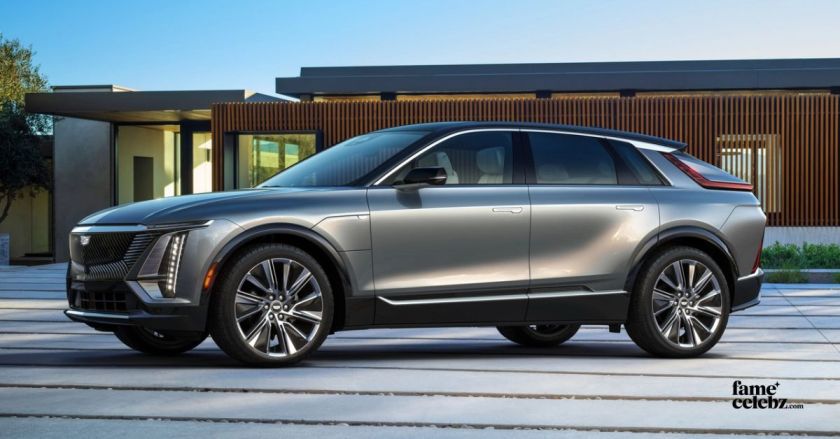
The Cadillac LYRIQ offers multiple driving modes designed to change how the vehicle responds to different road and driving conditions. While modes such as Tour, Sport, Snow/Ice, and My Mode can alter throttle response, steering feel, traction, and overall driving behavior, they can also influence energy consumption and the practical driving range you get from the battery.
Understanding these differences can help LYRIQ owners choose the right mode for everyday driving, highway trips, slippery roads, or a more responsive driving experience. In this guide, we’ll explore how each Cadillac LYRIQ driving mode affects battery usage and range, what factors can cause the range to change, and which conditions may lead to more efficient or less efficient energy use.
You can also read; Foger Vape Flavors: Detailed Guide to 2026’s Best Tastes
Quick Answer: Do LYRIQ Driving Modes Affect Range?
Cadillac LYRIQ , the Cadillac LYRIQ’s driving modes can affect energy consumption and therefore the range you may see in real-world driving. However, Cadillac does not generally assign a separate fixed EPA range figure to each mode. Factors such as acceleration, speed, road conditions, temperature, terrain, and climate-control use can have a much larger effect.
Tour Mode is generally suited to smooth everyday driving, while Sport Mode encourages a more responsive driving style that can use more energy. Snow/Ice Mode prioritizes controlled traction, and My Mode allows drivers to personalize selected vehicle settings.
2026 Cadillac LYRIQ Range and Battery Specs at a Glance
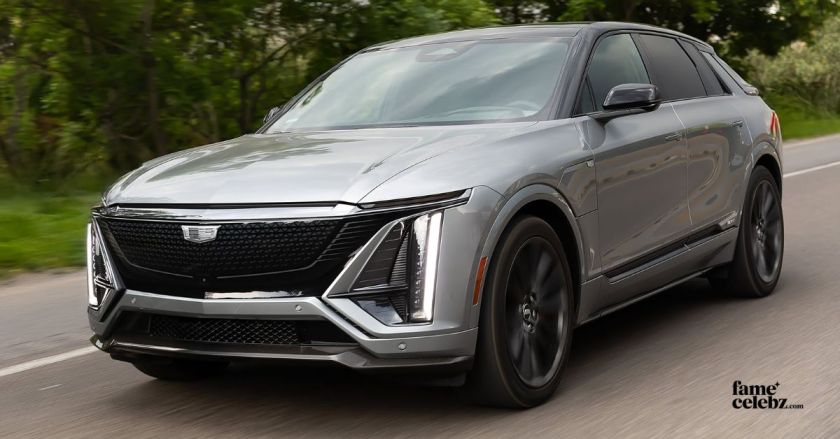
The 2026 Cadillac LYRIQ is a fully electric luxury SUV built around GM’s Ultium battery technology. Depending on configuration, battery capacity, drivetrain, wheel choice, and equipment, its official range can vary.
Because Cadillac can offer different LYRIQ configurations, it is important to check the EPA-rated range for the exact model rather than assuming every LYRIQ has identical battery performance.
2026 Cadillac LYRIQ — Range & Battery Specs
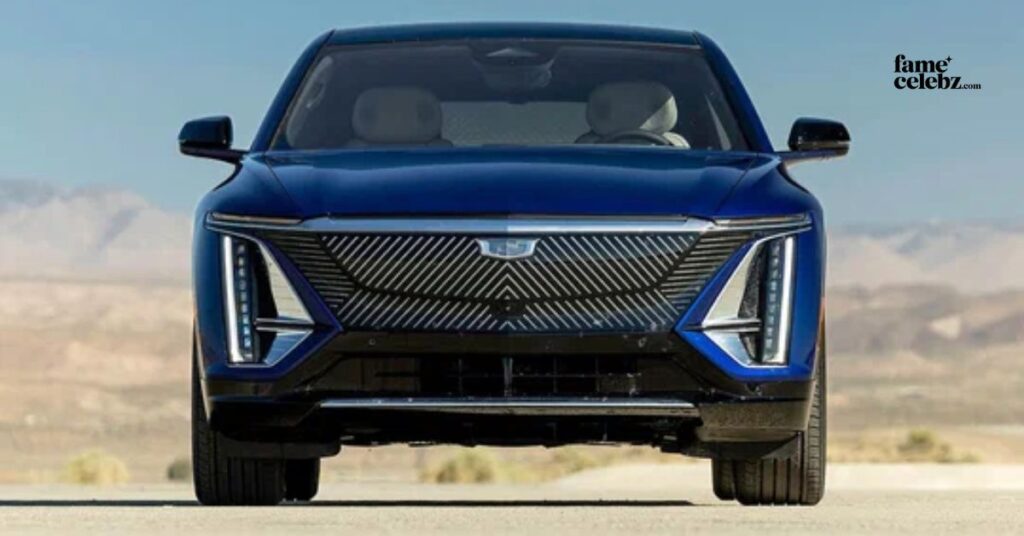
The LYRIQ uses a large battery pack designed to provide substantial driving range between charges. Rear-wheel-drive and all-wheel-drive versions can have different efficiency and range characteristics.
| Specification | Cadillac LYRIQ |
| Vehicle type | Luxury electric SUV |
| Powertrain | Battery electric |
| Battery technology | GM Ultium |
| Drivetrain options | RWD / AWD depending on configuration |
| Charging | AC and DC fast charging |
| EPA range | Varies by model and configuration |
| Driving modes | Tour, Sport, Snow/Ice, My Mode |
Always use the official EPA rating for the specific model year and configuration when comparing advertised range.
Understanding the Cadillac LYRIQ’s Driving Modes
The LYRIQ’s driving modes change how the vehicle responds to driver inputs and different road conditions. They do not simply switch the battery between fixed efficiency levels.
1. Tour Mode
Tour Mode is designed for normal everyday driving. Its balanced response makes it appropriate for commuting, city driving, and longer trips where smooth acceleration is preferred.
Because gentle acceleration generally consumes less energy than repeated hard acceleration, Tour Mode can support efficient driving when used with a smooth driving style.
2. Sport Mode
Sport Mode provides a more responsive driving experience. The vehicle can feel more immediate when responding to accelerator inputs, making this mode useful when the driver wants a sportier character.
The mode itself does not necessarily mean the battery will drain rapidly. However, drivers using Sport Mode may accelerate harder and drive more aggressively, which can increase electricity consumption and reduce practical range.
3. Snow/Ice Mode
Snow/Ice Mode is designed for conditions where traction can be more difficult, such as snow or icy roads. Its primary purpose is controlled vehicle behavior rather than maximizing range.
Actual energy use can vary considerably because cold temperatures, slippery surfaces, tire conditions, and reduced speeds can all influence efficiency.
4. My Mode
My Mode allows drivers to personalize available vehicle settings according to their preferences. Its effect on range depends largely on the settings selected and, more importantly, how the vehicle is driven.
A customized setup does not automatically produce either maximum or minimum range. Driving behavior remains one of the biggest influences on energy consumption.
How Driving Modes Impact Battery Usage and Range
Driving modes can influence the way power is delivered, but they should be viewed as one part of a much larger efficiency picture. Acceleration habits, cruising speed, temperature, terrain, tires, HVAC use, and traffic can all change the energy required to move the LYRIQ.
Tour Mode and Battery Efficiency
Tour Mode can be a practical choice when efficiency and smooth driving are priorities. Gentle throttle inputs and steady speeds help avoid unnecessary energy consumption.
For the best results, combine Tour Mode with gradual acceleration, appropriate speeds, and efficient use of heating or air conditioning.
Sport Mode and Battery Consumption
Sport Mode can encourage quicker acceleration and a more energetic driving style. Rapid acceleration requires more electrical power, so repeated hard launches can lower the vehicle’s displayed range more quickly.
The difference therefore depends heavily on the driver. A careful driver can still use Sport Mode without dramatically increasing consumption.
Snow/Ice Mode and Battery Usage
Snow/Ice Mode is intended to help manage traction rather than maximize efficiency. Driving on snow or ice can already reduce efficiency because of low temperatures, road resistance, tire grip, and changing driving conditions.
As a result, reduced range observed in winter should not automatically be attributed to Snow/Ice Mode itself.
My Mode and Battery Usage
My Mode provides customization, so its energy impact depends on the combination of settings and driving behavior. Drivers can use it to create a preferred balance between comfort, responsiveness, and other vehicle characteristics.
There is no universal range penalty that applies to every My Mode configuration.
Quantifying the Impact on Range
There is no reliable universal percentage that says, for example, Sport Mode will reduce LYRIQ range by a specific amount compared with Tour Mode. Real-world results vary too much between drivers and conditions.
A better way to understand the difference is to compare energy consumption under similar conditions. Driving the same route at similar speeds, temperatures, traffic levels, and HVAC settings provides a more meaningful comparison between modes.
Sport Mode
Sport Mode can consume more energy when it leads to stronger acceleration and higher power demand. The biggest difference may come from driver behavior rather than the mode’s name.
If Sport Mode is used mainly for its steering or driving feel while acceleration remains smooth, the range difference may be relatively small.
Snow/Ice Mode
Snow/Ice Mode should not be judged solely by its effect on battery range. It exists primarily to help the LYRIQ behave predictably when traction is limited.
Cold weather itself can have a noticeable effect on EV range, making winter conditions an important consideration when evaluating battery usage.
My Mode
My Mode does not have one fixed effect on range because it depends on the driver’s chosen settings and behavior. A conservative customized setup can be driven efficiently, while an aggressive setup combined with frequent acceleration may use more energy.
LYRIQ Driving Mode Range Impact: Comparison Table
| Driving Mode | Main Purpose | Potential Energy Impact |
| Tour | Everyday balanced driving | Generally suited to efficient, smooth driving |
| Sport | More responsive driving | May use more energy with aggressive acceleration |
| Snow/Ice | Improved control in slippery conditions | Conditions may increase consumption |
| My Mode | Personalized driving setup | Depends on selected settings and driving style |
LYRIQ Driving Mode Range Impact — Comparison
The most important point is that driving modes do not operate independently of driving conditions. Two LYRIQ drivers using the same mode can experience noticeably different efficiency.
For example, a Sport Mode driver traveling steadily on a highway may use less energy than a Tour Mode driver repeatedly accelerating and braking in heavy city traffic.
Practical Considerations
When comparing LYRIQ driving modes, focus on actual energy consumption rather than the estimated range number alone. The range estimate can change as the vehicle learns from recent driving conditions.
For a meaningful test, compare similar trips while keeping speed, weather, passenger load, HVAC settings, and route conditions as consistent as possible.
Regenerative Braking and One-Pedal Driving’s Role in Range
Regenerative braking is another important part of the LYRIQ’s efficiency story. Instead of wasting all of the vehicle’s kinetic energy as heat through conventional friction braking, regenerative braking can recover some energy and send it back to the battery.
How Regen Braking Recovers Energy
When the LYRIQ decelerates using regenerative braking, the electric motors can operate in a way that converts some of the vehicle’s motion into electrical energy.
Regeneration does not recover 100% of the energy used for acceleration, but it can improve overall efficiency, particularly during repeated slowing and accelerating.
One-Pedal Driving in City vs. Highway Use
One-pedal driving can be particularly useful in urban traffic because drivers frequently slow down and accelerate again. Regeneration can recover energy during many of these deceleration events.
On highways, where the vehicle can maintain a steady speed for longer periods, there are fewer opportunities for regenerative braking. Smooth cruising is therefore especially important for highway efficiency.
How LYRIQ Range Varies by Driving Environment
The environment in which the LYRIQ is driven can have a substantial influence on actual range.
City Driving
City driving involves frequent stops, starts, and changes in speed. Regenerative braking can help recover some energy during deceleration, making EVs well suited to this type of driving.
Heavy traffic, aggressive acceleration, and extensive climate-control use can still increase consumption.
Highway Driving
Highway driving can reduce efficiency because aerodynamic resistance increases significantly as speed rises. Maintaining a high speed for long periods requires continuous energy from the battery.
A moderate, steady speed generally supports better efficiency than frequent high-speed acceleration.
Mountain/Elevation Driving
Climbing steep roads requires additional energy because the LYRIQ must gain elevation. This can temporarily increase battery consumption.
During the descent, regenerative braking can recover some energy, although it will not necessarily return all of the energy used during the climb.
Additional Factors Affecting Range and Battery Usage in the LYRIQ
Driving mode is only one variable among many that affect range.
1. Driving Style: The Hidden Influence on Efficiency
Aggressive acceleration and frequent hard braking can increase electricity consumption. Smooth throttle inputs and anticipating traffic can help reduce unnecessary energy use.
In many situations, the driver’s behavior can have a greater practical effect than the selected driving mode.
2. Speed and Highway Driving
Higher speeds generally require more energy because aerodynamic drag increases with speed. This is why an EV can show different efficiency figures on a city route and a fast highway journey.
Maintaining a steady and reasonable cruising speed can help preserve range.
3. Environmental Conditions and Temperature
Extreme temperatures can affect EV range. Cold weather can be particularly challenging because battery performance and cabin heating requirements can increase energy demand.
Hot weather can also increase consumption when air conditioning is used extensively.
4. Terrain and Elevation Changes
Hills and mountains require additional energy during climbs. Flat roads are generally easier on energy consumption, while downhill sections can provide opportunities for regenerative braking.
Does Driving Mode Affect Battery Health or Degradation?
Using Sport, Tour, Snow/Ice, or My Mode does not by itself mean the LYRIQ battery will experience abnormal degradation. Battery aging is influenced by factors such as temperature, charging patterns, time, mileage, and overall battery usage.
Occasional use of higher-power driving is different from consistently operating the battery under demanding conditions.
Optimizing Battery Usage for Long-Term Health
Good charging and driving habits can help owners get practical long-term performance from the LYRIQ’s battery system.
1. Charging Habits
Following Cadillac’s recommended charging practices and using the appropriate charging equipment can help maintain the vehicle’s battery system.
For everyday use, owners should follow the charging limits and recommendations provided for their specific LYRIQ configuration rather than assuming that keeping the battery at 100% at all times is necessary.
2. Battery Preconditioning
Battery and cabin preconditioning can help prepare the vehicle before driving, particularly in demanding temperature conditions. When available and used appropriately, preconditioning while connected to charging can reduce the amount of battery energy needed for some initial heating or cooling tasks.
This can help make energy use more predictable.
3. Regular Maintenance
Although an EV has fewer traditional powertrain maintenance requirements, regular vehicle maintenance remains important. Correct tire pressure, proper tire condition, wheel alignment, and software updates can all contribute to efficient operation.
Small maintenance issues can gradually affect real-world efficiency.
EPA Range vs. Real-World LYRIQ Range — What Actually Explains the Gap
EPA range is a standardized testing figure intended to provide a consistent basis for comparing vehicles. Real-world range can be different because drivers do not operate their vehicles under identical laboratory conditions.
For the LYRIQ, differences can come from speed, temperature, traffic, terrain, tire pressure, passenger and cargo weight, HVAC use, driving style, and charging conditions. Driving mode can contribute to the difference, but it should be considered alongside these other variables.
Ultimately, the best way to understand your LYRIQ’s range is to monitor actual energy consumption over repeated trips. A smooth driving style, sensible highway speeds, appropriate tire pressure, and careful climate-control use can often matter more than simply switching from one driving mode to another.
FAQs
Do LYRIQ driving modes affect range?
Yes. Driving modes can influence energy use, but speed, acceleration, temperature, terrain, and HVAC use often have a larger effect.
Which LYRIQ mode is best for everyday driving?
Tour Mode is designed for balanced everyday driving and can support efficient driving when combined with smooth acceleration.
Does Sport Mode use more battery?
It can, especially when it encourages harder acceleration and more energetic driving.
Does Snow/Ice Mode reduce LYRIQ range?
The mode itself is designed for traction. Winter temperatures, road conditions, and heating demands can have a larger effect on range.
Can My Mode improve LYRIQ efficiency?
My Mode depends on the settings selected and how the vehicle is driven. It does not guarantee better or worse efficiency.
Conclusion
The Cadillac LYRIQ’s driving modes can influence battery usage, but they do not have fixed range penalties. Tour, Sport, Snow/Ice, and My Mode are designed for different driving needs, while actual energy consumption depends on how each mode is used.
For better real-world range, focus on smooth acceleration, steady speeds, correct tire pressure, sensible climate-control use, and suitable charging habits. These factors can have a significant impact on how far the LYRIQ travels on a charge.

Jorge is a passionate celebrity writer and pop culture enthusiast behind FameCelebz.com. He specializes in delivering engaging, up-to-date content about celebrities, entertainment news, trending personalities, and lifestyle insights. With a keen eye for detail and a love for storytelling, Jorge brings readers closer to the world of fame in a simple, informative, and entertaining way.
He believes in creating content that is both accurate and enjoyable, making celebrity updates easy for everyone to understand and follow.